
Route 66 with Rhys Martin: Tulsa where the Road Still Glows
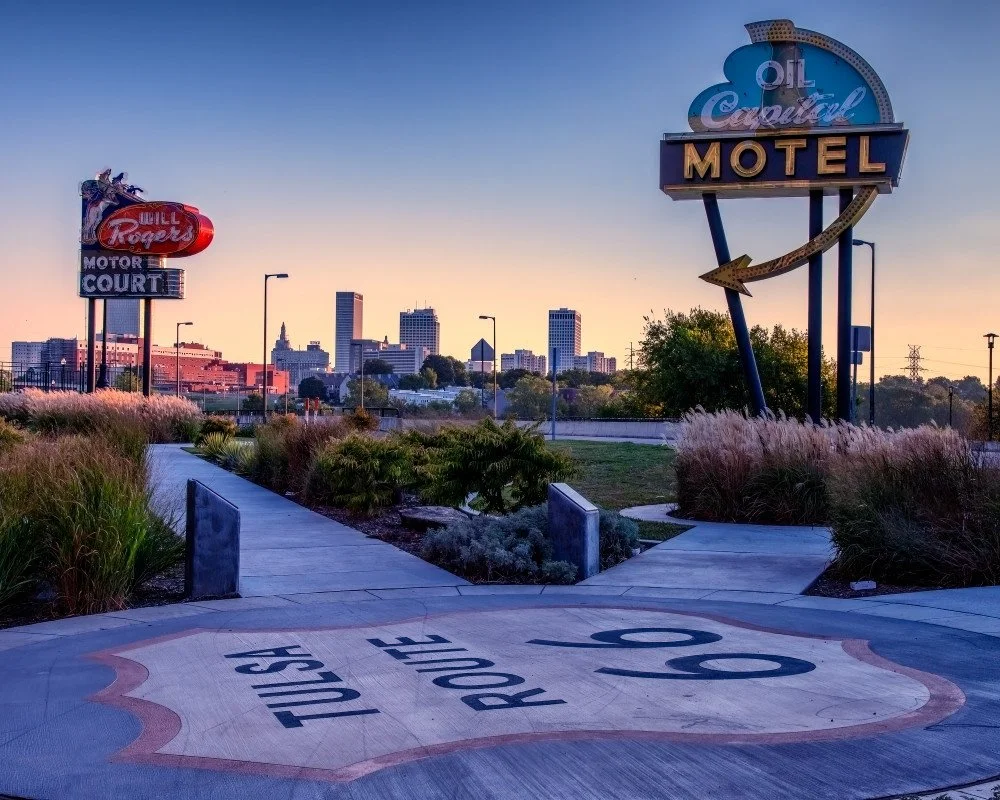
Source: Green Country Tourism
Few highways in America carry the same mythology as the “Mother Road.” Stretching more than 2,400 miles from Chicago to California, U.S. Route 66 became more than pavement and painted lines…it became a symbol of freedom, reinvention, road trips, diners, neon signs, and the ever-present promise that adventure might be waiting just around the next curve. And while every state along Route 66 has its own personality, Oklahoma may be one of the most soulful stretches of them all. From vintage motels and weathered trading posts to lively downtown districts and roadside attractions that feel frozen in time, Oklahoma captures the spirit of Route 66 in a way that feels both nostalgic and alive.
Tulsa, Oklahoma
One city helping lead that preservation effort is Tulsa, a place where the history of Route 66 isn’t tucked away in a museum somewhere, but woven directly into the culture of the city itself. During our interview, we sat down with Rhys Martin, President of the Oklahoma Route 66 Association, 2026 Tulsan of the Year, and author of The Lost Restaurants of Tulsa. From the moment the conversation began, it was clear that Route 66 is much more than a highway… it’s a living storybook of communities, memories, and American identity. Rhys spoke passionately about Tulsa’s deep connection to the road, the importance of preserving historic landmarks, and how the people who live along Route 66 are just as important as the attractions themselves.
One of the major topics we discussed was the push by the National Trust for Historic Preservation for a permanent federal Route 66 National Historic Trail designation. Rhys explained how impactful that recognition could be, not only for preserving historic structures but also for protecting the stories tied to them. So many diners, motor courts, gas stations, and neon signs disappear quietly over time, and with them go generations of local history. Preservation isn’t simply about restoring buildings but keeping alive the experiences, cultures, and personalities that made Route 66 legendary in the first place.
Route 66 rewards curiosity
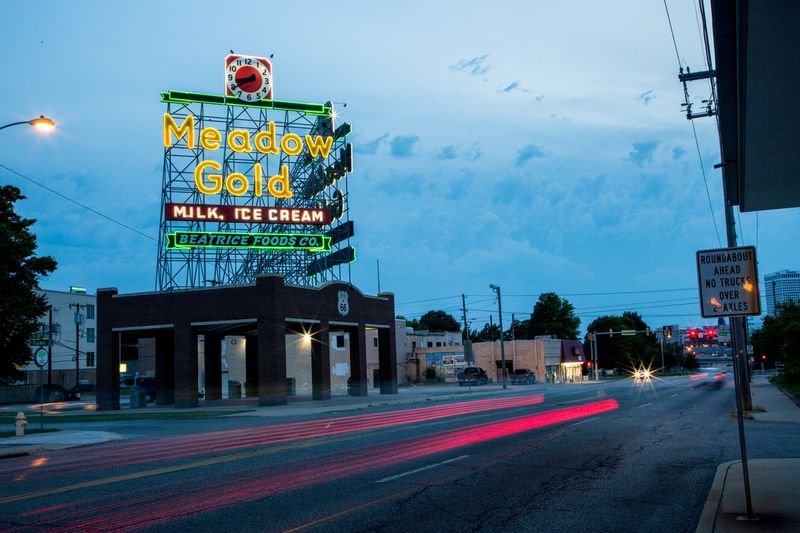
Photo Credit: Lori Duckworth
Sure, there are the famous attractions everyone photographs, but some of the most meaningful experiences happen when you stop at the tiny cafe that still has locals gathering every morning, or when you hear an old story about a long-gone restaurant that once served travelers crossing the country during the Dust Bowl era. Rhys highlighted how Tulsa’s restaurant history, music scene, and roadside culture all intertwine with Route 66’s identity, creating layers of stories that many travelers speed right past without realizing.
And honestly, you can’t talk about Route 66 without talking about neon. Long before GPS apps and glowing smartphone screens guided travelers across America, neon signs were the original beacons of the open road. They promised hot coffee, a clean bed, a steak dinner, or simply a place to stop after hours of driving through the night. Along Route 66, neon became an art form all its own…flashy, colorful, and unapologetically bold. In cities like Tulsa, those glowing signs still light up the streets and instantly transport visitors back to the golden age of American road travel. Even today, seeing a buzzing vintage motel sign flicker to life at dusk feels oddly magical, like the road itself is welcoming you in.
After speaking with Rhys Martin, one thing became abundantly clear: Route 66 survives because people care enough to fight for it. Every restored sign, preserved diner, saved motel, and shared story helps keep the spirit of the road alive for future generations. In Oklahoma — especially in Tulsa — Route 66 doesn’t feel like history trapped behind glass. It still feels wonderfully alive, humming with stories, glowing with neon, and inviting travelers to slow down long enough to experience the journey instead of just the destination.
About Rhys Martin
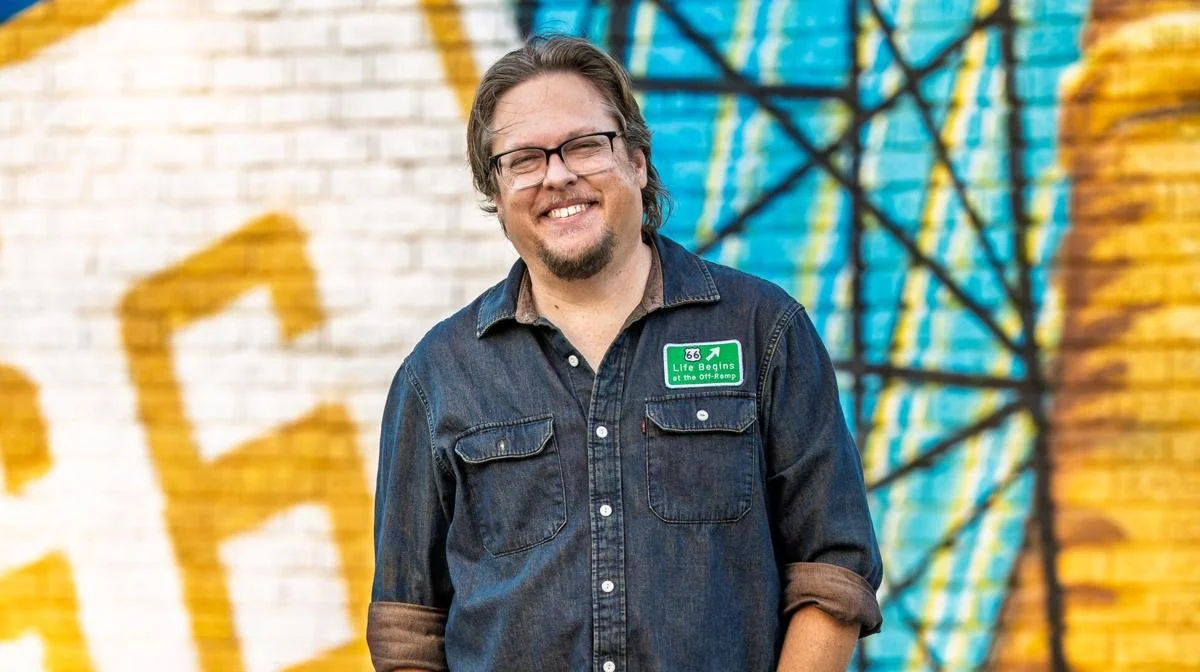
Source: Tulsa People
Rhys Martin is one of the leading voices keeping the spirit of Route 66 alive in Oklahoma and beyond. As President of the Oklahoma Route 66 Association, Martin has become a passionate advocate for preserving the history, culture, and stories tied to America’s most iconic highway. A proud Tulsan and the 2026 Tulsan of the Year, he has dedicated years to celebrating the communities, landmarks, diners, motels, and hidden gems that make the Mother Road so unforgettable. Martin is also the author of The Lost Restaurants of Tulsa, a deep dive into the city’s rich culinary history and the beloved eateries that once shaped Tulsa’s culture. Through his preservation work, public speaking, writing, and storytelling, he continues to inspire travelers and locals alike to appreciate Route 66 not just as a road, but as a living piece of American history filled with nostalgia, community, and adventure.